Sustainability
Sustainability is a key driver of the Building 140 project, which has been designed to set a high standard for environmental performance. The building is targeting several recognised sustainability certifications, including Minergie-P, THPE and BREEAM Outstanding, reflecting CERN’s ambition to deliver a highly energy-efficient and environmentally responsible facility.
Building Sustainability
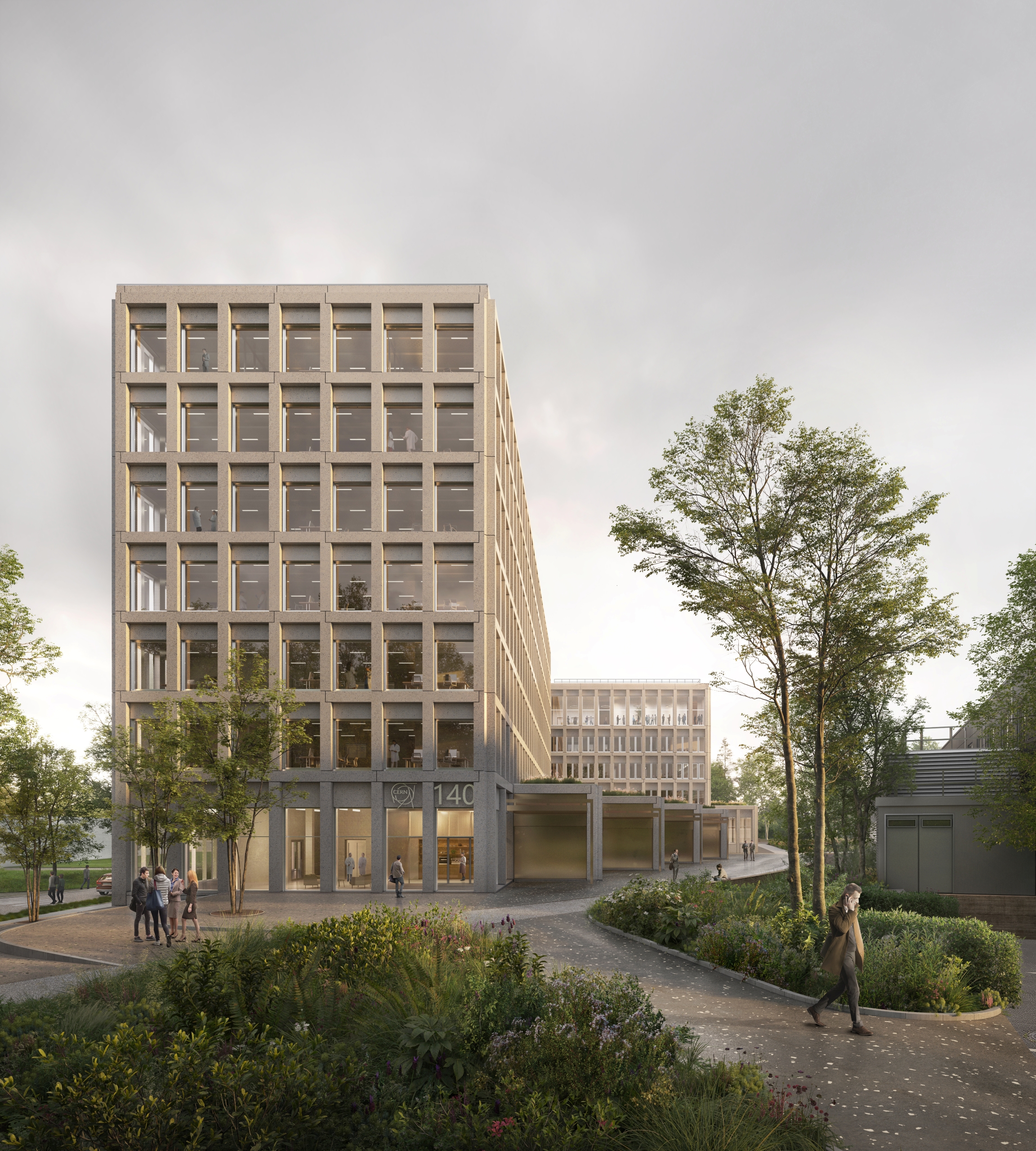
Renewable energy is fully integrated into the design. Photovoltaic panels installed on the upper roofs will generate electricity to help meet the building’s energy needs, while the design maximises natural daylight to create bright, comfortable and healthy working environments without compromising energy performance.
The project also seeks to minimise its environmental footprint throughout its lifecycle. A comprehensive Life Cycle Assessment (LCA) has guided key design decisions to reduce the embodied carbon of construction materials and optimise the building’s overall environmental performance.
A Holistic Approach to Sustainability
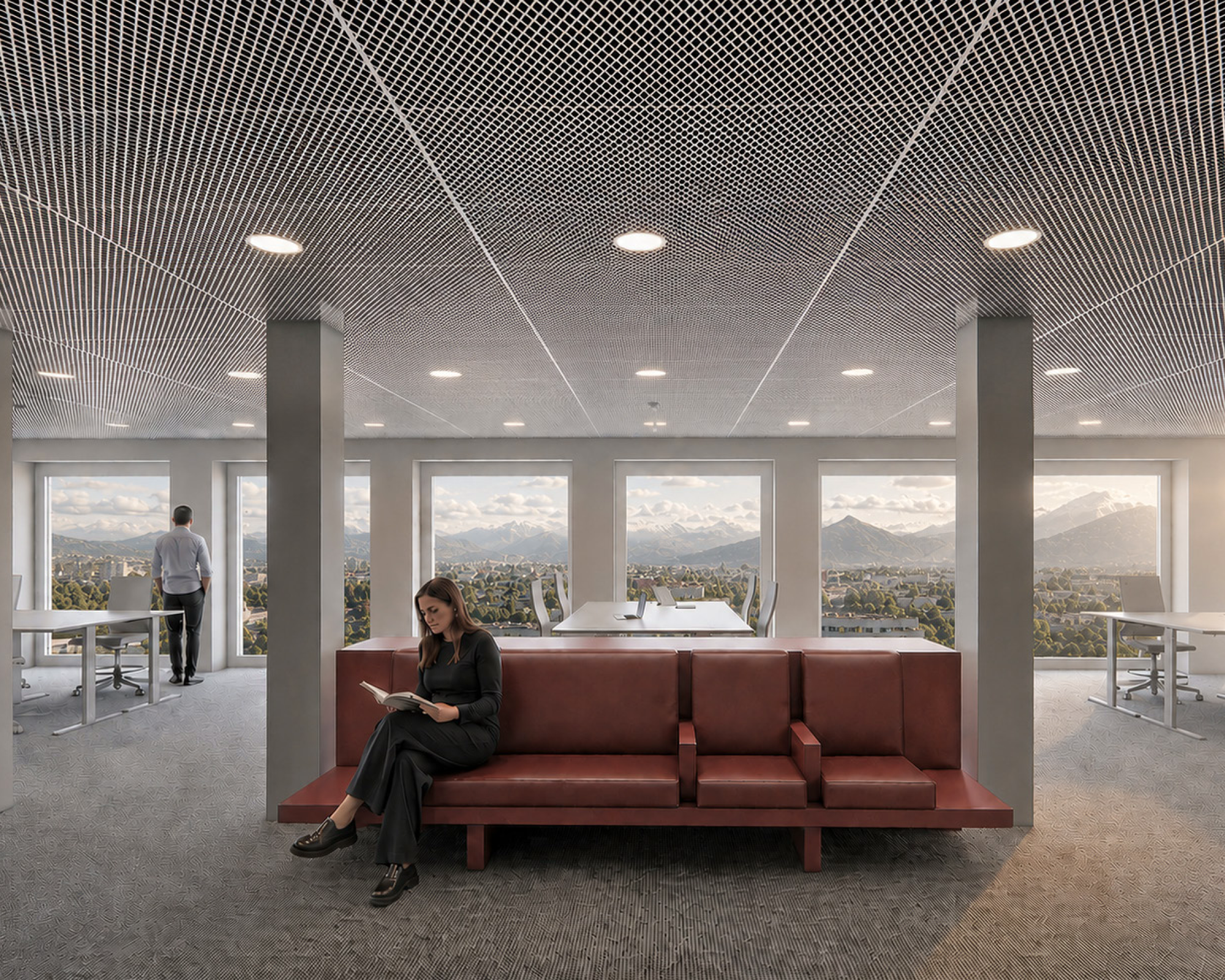
Building 140 has been designed with long-term adaptability in mind. Flexible floor layouts will allow spaces to evolve with CERN’s future needs, reducing the need for major alterations over the building’s lifetime. Circular economy principles have also been integrated into the design, considering future maintenance, reuse, disassembly and material recovery from the earliest stages of the project.
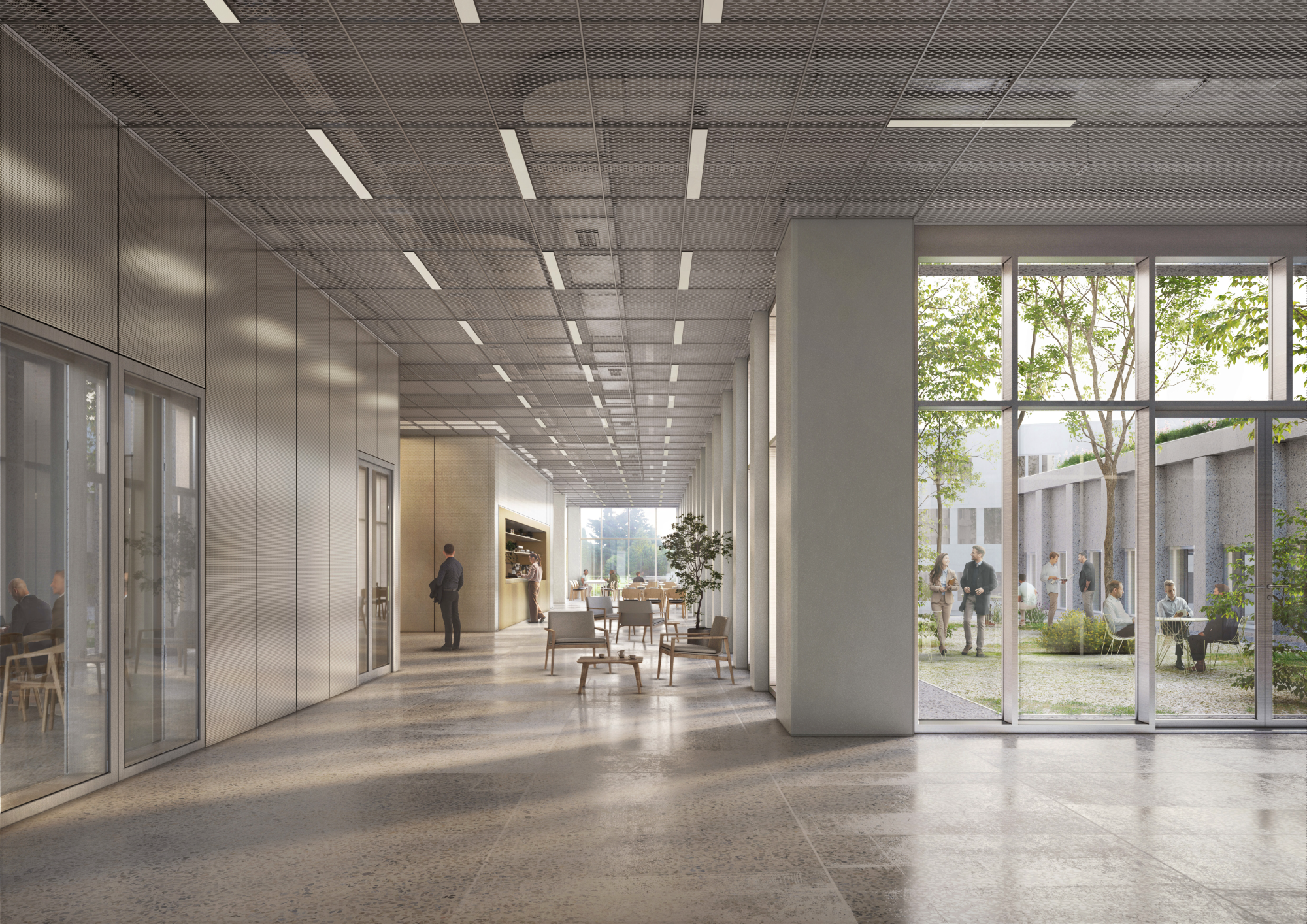
Sustainability extends beyond energy and carbon. The project also prioritises the wellbeing of its users by providing generous natural daylight, high levels of thermal comfort and a high-quality working environment that supports collaboration, productivity and everyday comfort.
Ecology and Climate Resilience
The landscape design for Building 140 has been developed to support CERN’s wider sustainability objectives while creating an attractive, comfortable and resilient outdoor environment.
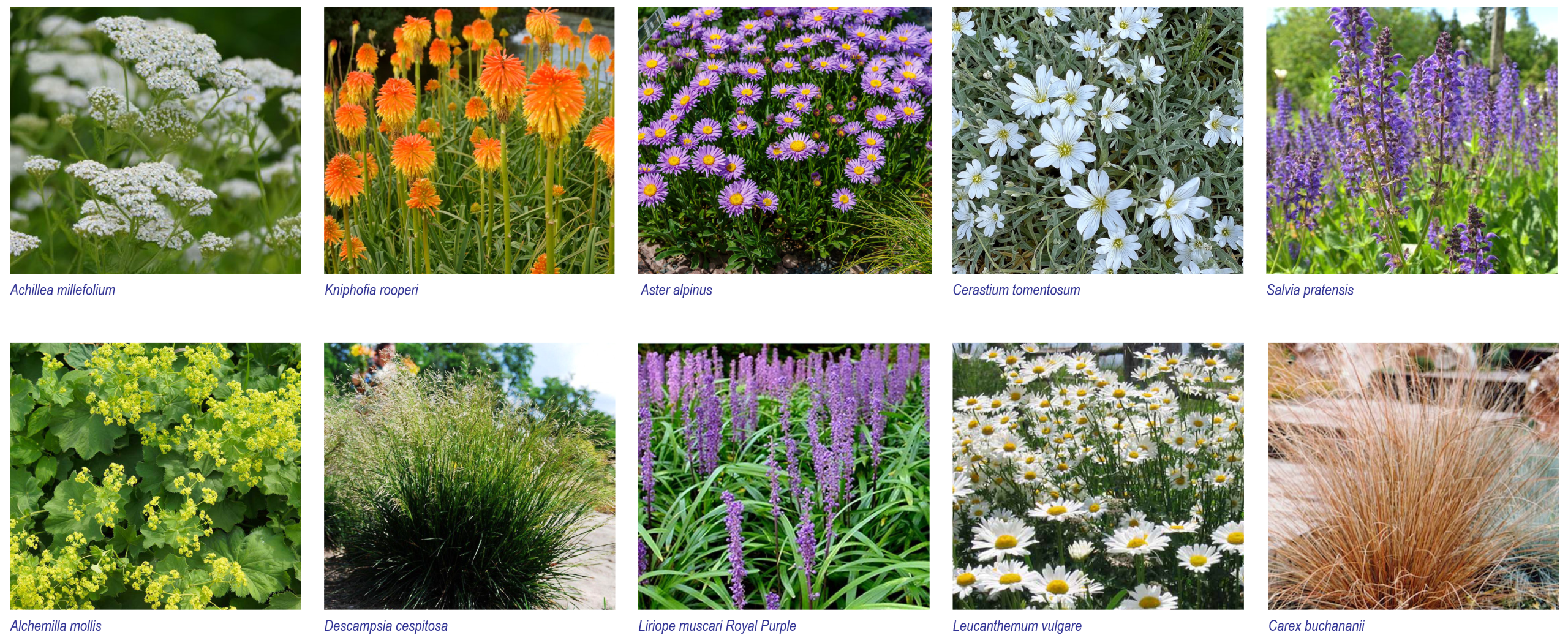
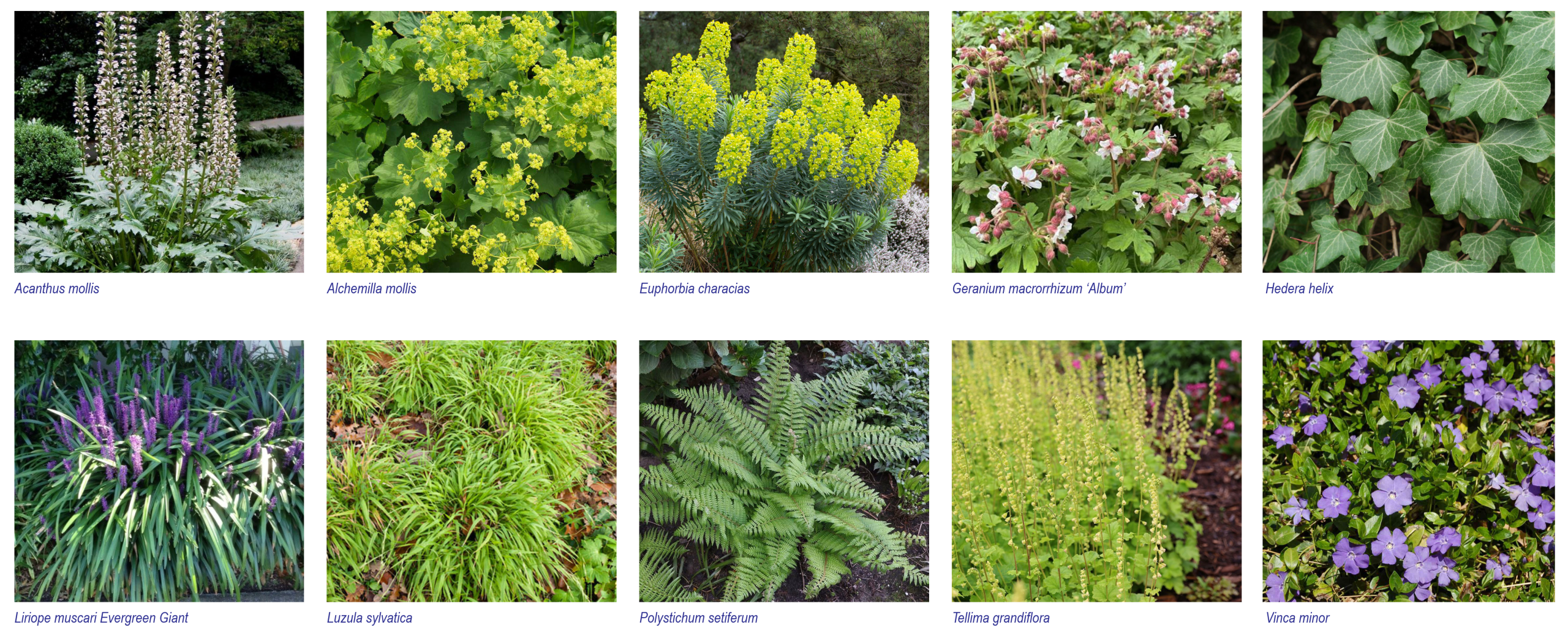
Extensive planting, permeable surfaces and nature-based solutions will help manage rainwater naturally, improve outdoor comfort and reduce the urban heat island effect. A diverse range of locally adapted and climate-resilient plant species will enhance biodiversity by creating habitats for birds, pollinators and other wildlife.
Designed with the future in mind, the landscape will be able to adapt to changing environmental conditions while contributing to the long-term ecological value of the CERN campus. Together, the building and its surrounding landscape will create a welcoming environment that combines environmental responsibility, operational performance and an enjoyable experience for everyone who uses the campus.